

Roofing Solutions for Mid Century Modern Homes
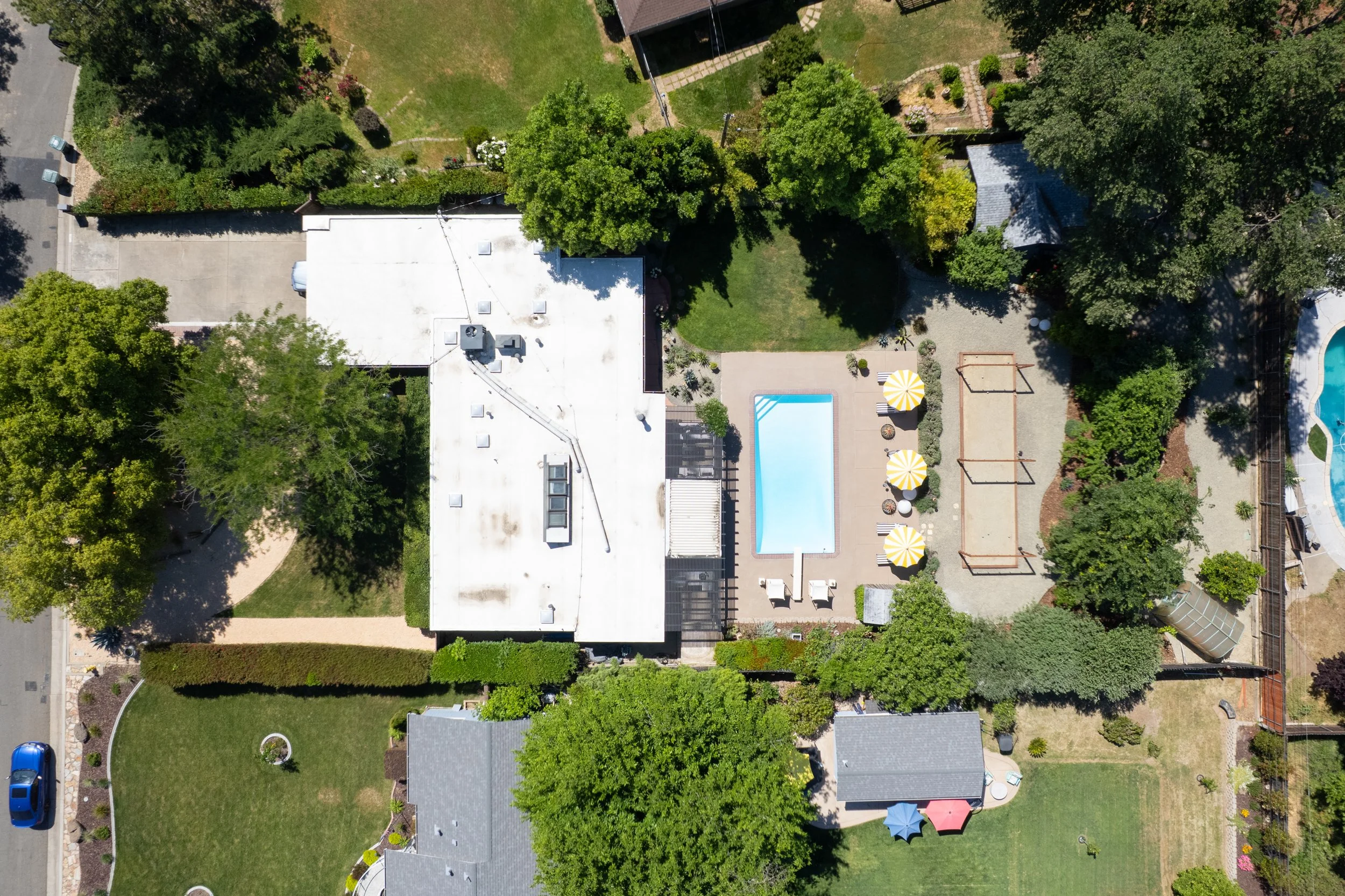
Flat and low-slope roofs are integral to mid-century modern (MCM) architecture, offering sleek aesthetics and functional design. However, selecting the appropriate roofing material is crucial to ensure durability and performance. Traditional roofing materials like shingles are unsuitable for these roof types due to potential water pooling, which can lead to leaks. Instead, seamless roofing solutions are recommended to prevent water infiltration. There are certain Streng Brothers Homes such as a the “transitional model” that has a pitched roof though and that can be a shingle roof. Whenever we’re searching for MCM homes in Sacramento, we like look at the google maps
Modern Roofing Solutions for Low-Slope Roofs
In the past, tar and gravel roofs were common for low-slope applications. While still in use, they can be prone to water pooling and may deteriorate under UV exposure, necessitating frequent maintenance. Contemporary alternatives offer enhanced performance and longevity:
Thermoplastic Polyolefin (TPO): A single-ply membrane known for its durability and energy efficiency. TPO roofs are typically white, reflecting sunlight to reduce cooling costs. They have been utilized in roofing for approximately three decades.
Polyvinyl Chloride (PVC): Another single-ply membrane with a longer history, dating back to the 1970s. PVC roofing offers excellent durability and is also available in white, aiding in heat reflection.
Both TPO and PVC membranes are favored for their ability to withstand environmental stressors and provide a seamless barrier against water intrusion.
Roof Replacement Process for Flat and Low-Slope Roofs
Replacing a flat or low-slope roof involves several critical steps to ensure a long-lasting and effective roofing system:
Removal of Existing Roofing: The old roofing material is stripped down to the substrate, typically plywood.
Inspection and Repair: The exposed substrate is examined for damage, with any compromised sections repaired or replaced to provide a solid foundation.
Installation of Fire-Retardant Slip Sheet: A protective layer is added to enhance fire resistance.
Addition of Insulation: Insulating materials, such as fanfold poly insulation or foam board, are installed to improve the roof's thermal performance. Thicker insulation correlates with a higher R-value, indicating better resistance to heat flow.
Application of Membrane: Sheets of TPO or PVC membrane are laid out and heat-welded at the seams to create a continuous, watertight surface.
Installation of Drip Edge: A TPO-compatible drip edge may be installed to direct water away from the roof edges, preventing potential damage.
Additional Considerations
Downspouts and Drainage: Proper drainage is essential to prevent water accumulation. Ensure downspouts are functional and adequately direct water away from the structure.
Skylights: If skylights are present, inspect them for signs of aging or leaks. Replacing old or damaged skylights during roof replacement can prevent future issues.
Selecting the right roofing material and ensuring proper installation are paramount for the longevity and performance of flat and low-slope roofs. Consulting with experienced roofing professionals can provide tailored solutions that align with the architectural integrity of MCM homes while offering modern advancements in roofing technology.
Flat Roof Costs and Finding the Right Specialist
These days, a new flat roof costs around $23,000 - $36,000+, depending on the size of the house. While this is a significant investment, it plays a crucial role in protecting your home from costly water damage and long-term structural issues.
We work with some of the best flat roof specialists in the area and are happy to provide recommendations. If you're considering a roof replacement or need expert advice, reach out to us for trusted referrals and guidance.
